
Why Walking Is One of the Best Exercises for Women to Try.
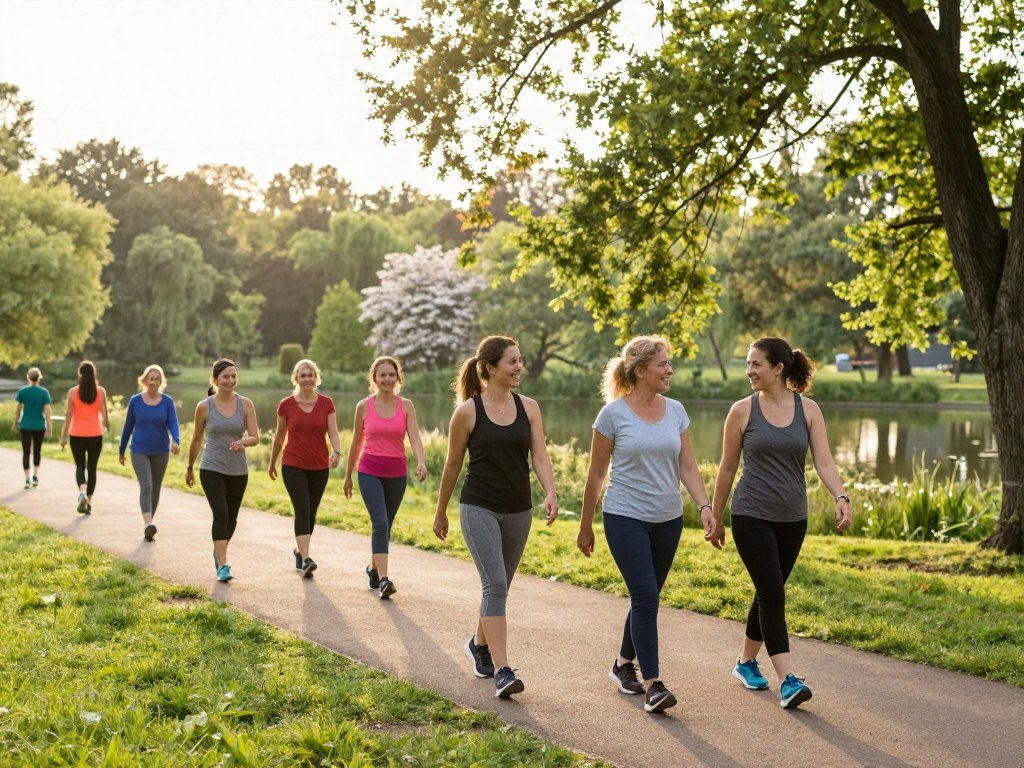
Did you know that taking just 30 minutes to stroll daily can slash your risk of heart disease by nearly 20 percent? This simple habit acts as a foundational pillar for long-term vitality and physical wellness. Many people overlook this activity, yet it remains a powerful tool for maintaining a healthy lifestyle.
Understanding why walking is one of the best exercises for women helps you prioritize your movement goals. By integrating consistent steps into your daily routine, you can achieve significant improvements in your mental clarity and physical strength. This accessible activity requires no expensive equipment, making it perfect for busy schedules.
Our guide provides actionable advice to help you start your journey toward better health today. Whether you are a beginner or looking to boost your current routine, these tips will empower you to succeed. Let’s explore how this gentle movement transforms your body and mind.
Key Takeaways
- Consistent daily movement significantly lowers cardiovascular health risks.
- This activity serves as a foundational pillar for female wellness.
- Mental clarity improves alongside physical endurance through regular steps.
- Accessibility makes this routine ideal for every busy lifestyle.
- Small, actionable changes lead to long-term vitality and strength.
The Physiological Advantages of Walking for the Female Body
Many women overlook the profound internal shifts that occur simply by putting one foot in front of the other. This simple act of movement provides a solid foundation for long-term health throughout every stage of life. By prioritizing consistent activity, you can unlock significant improvements in your overall well-being.
Hormonal Balance and Walking
Regular movement plays a vital role in maintaining metabolic health and hormonal stability. When you engage in consistent physical activity, your body becomes more efficient at regulating the hormones that influence your energy levels and mood. This is a cornerstone of effective women’s fitness that often goes unnoticed.
By keeping your metabolism active, you help your body manage stress hormones like cortisol more effectively. This natural regulation supports a healthier internal environment, allowing you to feel more balanced throughout your busy day.
Impact on Bone Density and Osteoporosis Prevention
One of the most critical walking benefits is its ability to strengthen your skeletal structure. Because walking is a weight-bearing exercise, it encourages your bones to maintain their density, which is essential for preventing osteoporosis as you age.
Consistent impact signals your body to reinforce bone tissue, making your frame more resilient over time. Incorporating this habit into your daily routine is a proactive step toward protecting your long-term mobility. Understanding these specific walking benefits empowers you to take control of your physical health with confidence.
Why Walking Is One of the Best Exercises for Women
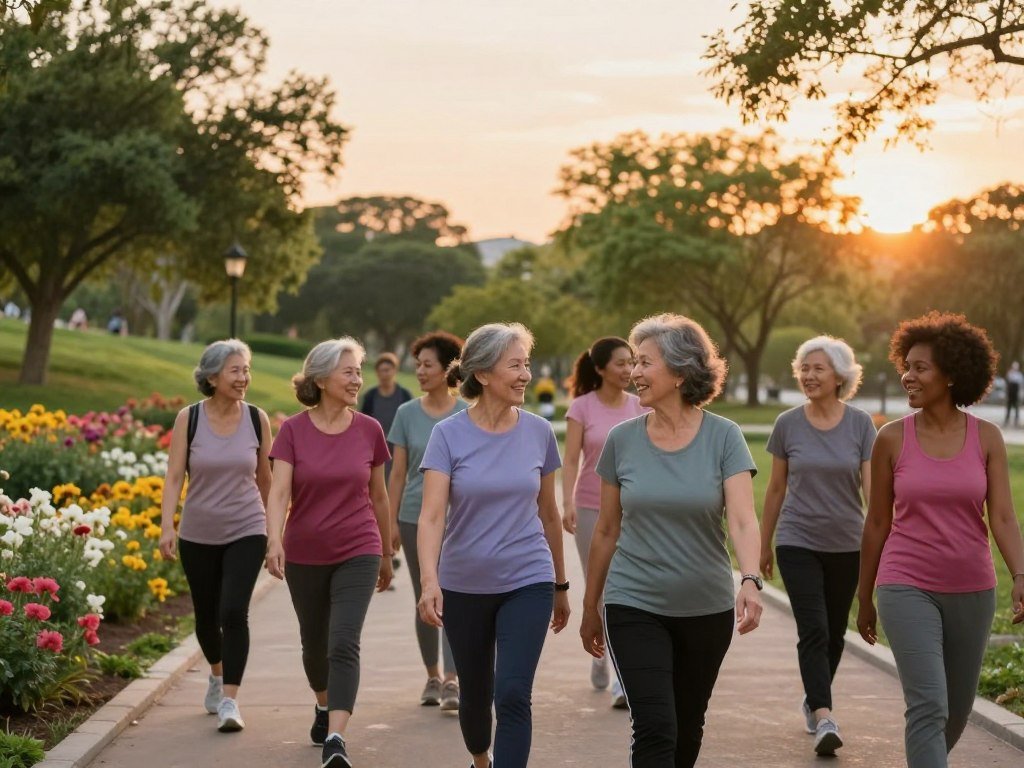
Many women discover that why walking is one of the best exercises for women is rooted in its unique combination of simplicity and effectiveness. It provides a reliable way to stay active without the physical toll often associated with more intense training programs.
Low-Impact Nature and Joint Longevity
High-impact sports can sometimes lead to unnecessary stress on your knees, ankles, and hips. Walking serves as a gentle alternative that keeps your body moving while protecting your joints from repetitive pounding.
By choosing a steady pace, you can maintain your cardiovascular health without the risk of common overuse injuries. This makes it a sustainable choice for women of all ages who want to prioritize long-term mobility.
Accessibility and Minimal Equipment Requirements
One of the primary reasons why walking is one of the best exercises for women is that it removes almost every barrier to entry. You do not need a costly gym membership, specialized training, or complex gear to get started today.
You can simply step out your front door and begin your journey toward better health. This level of accessibility ensures that you can maintain a consistent routine, even during your busiest weeks.
- No specialized skills: Anyone can walk at their own pace.
- Zero cost: Save money by utilizing local parks and sidewalks.
- Flexible timing: Fit a walk into your schedule whenever it works for you.
| Feature | Walking | High-Impact Sports |
|---|---|---|
| Joint Stress | Low | High |
| Equipment Cost | Minimal | High |
| Skill Level | Beginner | Advanced |
“Walking is the best possible exercise. Habituate yourself to walk very far.”
Cardiovascular Health and Heart Disease Prevention
Walking is often overlooked as a serious workout, yet it remains one of the most effective forms of cardio for women. By choosing to move your body daily, you provide your heart with the steady challenge it needs to stay strong and resilient. The health benefits of walking are profound, offering a simple way to protect your long-term wellness without needing a gym membership.
Improving Blood Pressure and Cholesterol Levels
Consistent movement helps your blood vessels remain flexible and clear. When you walk at a brisk pace, your heart pumps more efficiently, which naturally helps to lower your resting blood pressure over time. This process also aids in managing your lipid profile by increasing good cholesterol and reducing harmful buildup in your arteries.
Even short, daily sessions contribute to a healthier cardiovascular system. You do not need to run marathons to see results; a steady, moderate effort is often enough to keep your numbers in a healthy range. Consistency is the secret ingredient that turns a simple stroll into a powerful medical intervention.
Reducing Stroke Risk Through Consistent Movement
Regular physical activity is a proven strategy for lowering the risk of stroke. By keeping your circulation active, you prevent the formation of clots and maintain better overall vascular health. This form of cardio for women is accessible, low-stress, and highly effective for long-term prevention.
The following table illustrates how different walking intensities impact your heart health markers over a standard twelve-week period:
| Walking Intensity | Blood Pressure Impact | Cholesterol Improvement | Stroke Risk Reduction |
|---|---|---|---|
| Casual Stroll | Mild Decrease | Low | Moderate |
| Brisk Walk | Significant Decrease | High | High |
| Power Walking | Optimal Decrease | Very High | Very High |
Incorporating these habits into your life provides lasting health benefits of walking that extend far beyond simple weight management. By prioritizing your heart today, you are building a foundation for a vibrant and active future.
Mental Health Benefits and Stress Reduction
Stepping outside for a walk does more than just move your body; it clears your mind. While many people focus on physical fitness, the walking benefits for your brain are equally impressive. Engaging in this simple activity can act as a natural stress reliever after a long, hectic day.

The Role of Walking in Managing Anxiety and Depression
Research consistently shows that regular movement helps regulate mood and emotional stability. By incorporating consistent strolls into your schedule, you can effectively manage symptoms of anxiety and depression. This habit provides a healthy outlet for pent-up tension, allowing your nervous system to reset.
When you walk, your body releases endorphins, which are natural chemicals that improve your overall outlook. Many women find that these walking benefits provide a sense of control and calm during challenging times. It is a simple, accessible way to support your mental health without needing expensive equipment or gym memberships.
Mindfulness and the Meditative Power of a Daily Stroll
Walking can serve as a form of moving meditation, helping you stay grounded in the present moment. As you focus on the rhythm of your steps and the environment around you, your mind naturally lets go of racing thoughts. This mindful practice is essential for maintaining clarity in a busy world.
You do not need to be an expert to enjoy these walking benefits. Simply stepping away from your desk or household chores for fifteen minutes can shift your perspective. By turning your daily walk into a quiet, reflective time, you create a sanctuary for your thoughts and emotions.
Weight Management and Metabolic Health
Managing your weight effectively requires a consistent approach that supports your body’s natural metabolic processes. Incorporating a weight loss walking program into your daily life provides a sustainable way to burn calories while improving your overall health. By staying active, you create a foundation for long-term wellness that feels both achievable and rewarding.
Understanding Caloric Expenditure During Walking
Many people underestimate the power of a brisk walk to influence body composition. While the number of calories burned depends on your speed, terrain, and body weight, the cumulative effect of daily movement is significant. When you commit to a structured weight loss walking program, you turn simple steps into a powerful tool for energy balance.
To maximize your results, consider these factors that influence your caloric burn:
- Walking Speed: Increasing your pace naturally raises your heart rate and energy expenditure.
- Terrain: Walking on inclines or uneven surfaces engages more muscle groups.
- Duration: Longer sessions allow your body to tap into stored energy more effectively.
Regulating Blood Sugar and Insulin Sensitivity
Beyond burning calories, walking plays a vital role in how your body processes glucose. Consistent movement helps your muscles use insulin more efficiently, which keeps your blood sugar levels stable throughout the day. This is a critical component of any weight loss walking program designed for lasting health.
“The miracle isn’t that I finished. The miracle is that I had the courage to start.”
When you walk regularly, you are actively protecting your metabolic health. Stable blood sugar prevents the energy crashes that often lead to unhealthy snacking. By prioritizing this simple habit, you empower your body to function at its best, making your weight loss walking program a cornerstone of your healthy lifestyle.
Building a Sustainable Walking Routine for Beginners
Building a consistent habit starts with small, manageable steps that fit your lifestyle. Many people feel pressured to jump into a high-intensity female workout routine immediately, but long-term success is actually built on patience. By starting with manageable increments, you allow your body to adapt safely while establishing a routine that you can truly enjoy.
Setting Realistic Goals for Your Fitness Level
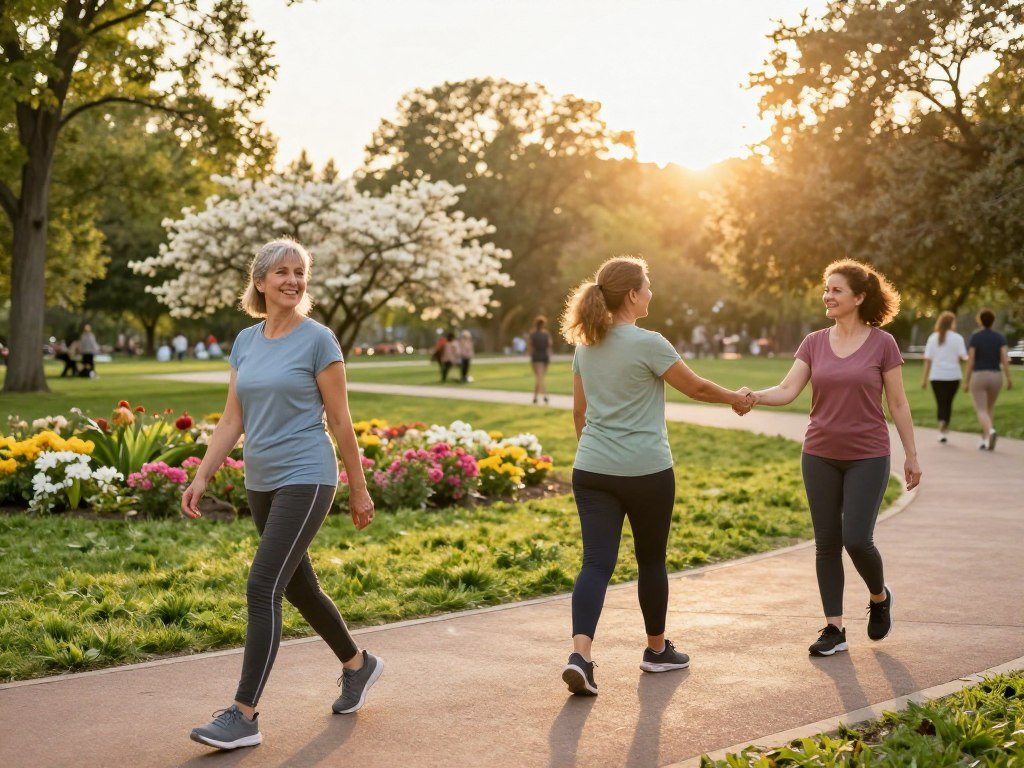
When you are just starting out, it is best to keep your initial sessions short and sweet. Aiming for 10 to 15-minute strolls is a fantastic way to introduce movement without feeling overwhelmed. As your stamina improves, you can gradually increase your duration by a few minutes each week.
This approach is perfect for walking for beginners because it prevents burnout and keeps your motivation high. Consider these simple strategies to keep your momentum going:
- Start with three days a week to build a solid foundation.
- Choose flat, comfortable paths to avoid unnecessary strain.
- Listen to your body and take rest days when you feel tired.
- Focus on consistency rather than speed during your first month.
Tracking Progress Without Obsession
It is easy to get caught up in counting every step or tracking every calorie, but this can sometimes take the joy out of your movement. Instead of obsessing over data, try to focus on how you feel after your walk. Mental clarity and increased energy levels are often better indicators of progress than a number on a screen.
If you prefer to use a journal or an app, use it as a tool for encouragement rather than a source of pressure. Remember that your female workout routine should be a source of empowerment. By keeping your goals flexible and your mindset positive, you will find that walking for beginners becomes a natural and rewarding part of your daily life.
Essential Gear for Women Who Walk
Investing in quality equipment is one of the most effective exercise tips for women to stay consistent and injury-free. While walking is a simple activity, having the right tools can transform your experience from a chore into a highlight of your day. Proper gear provides the necessary support to keep you moving comfortably for miles.
Selecting the Right Footwear for Arch Support
Your feet are the foundation of your movement, so choosing the right shoes is non-negotiable. Look for sneakers that offer excellent arch support and cushioning to absorb impact on hard surfaces like pavement. Brands such as Brooks, Hoka, or Saucony often provide specialized designs that cater to the unique biomechanics of the female foot.
Always ensure your shoes have enough room in the toe box to prevent cramping. It is wise to visit a local running store to get professionally fitted, as your size may change over time. Proper footwear is the best defense against common issues like plantar fasciitis or shin splints.
Choosing Moisture-Wicking Apparel for Comfort
What you wear matters just as much as your shoes. You should avoid cotton socks and shirts, as these materials trap sweat and lead to uncomfortable chafing or blisters. Instead, opt for synthetic, moisture-wicking fabrics that pull perspiration away from your skin to keep you dry.
“The secret to a long-lasting habit is removing the barriers to entry, and wearing the right gear is the first step toward success.”
Layering is also a smart strategy for fluctuating weather conditions. A lightweight, breathable jacket can protect you from the wind without causing you to overheat. By following these exercise tips for women, you ensure that your body stays regulated and comfortable during every session.
| Gear Item | Key Feature | Benefit |
|---|---|---|
| Running Shoes | Arch Support | Reduces Joint Impact |
| Synthetic Socks | Moisture-Wicking | Prevents Blisters |
| Performance Top | Breathable Fabric | Regulates Temperature |
Walking for Different Life Stages
Embracing movement at every stage of life is a powerful way to honor your physical journey. As your body evolves, your approach to women’s fitness should remain flexible and supportive of your current needs. Walking serves as a versatile tool that transitions seamlessly with you through every major milestone.
Walking During Pregnancy and Postpartum Recovery
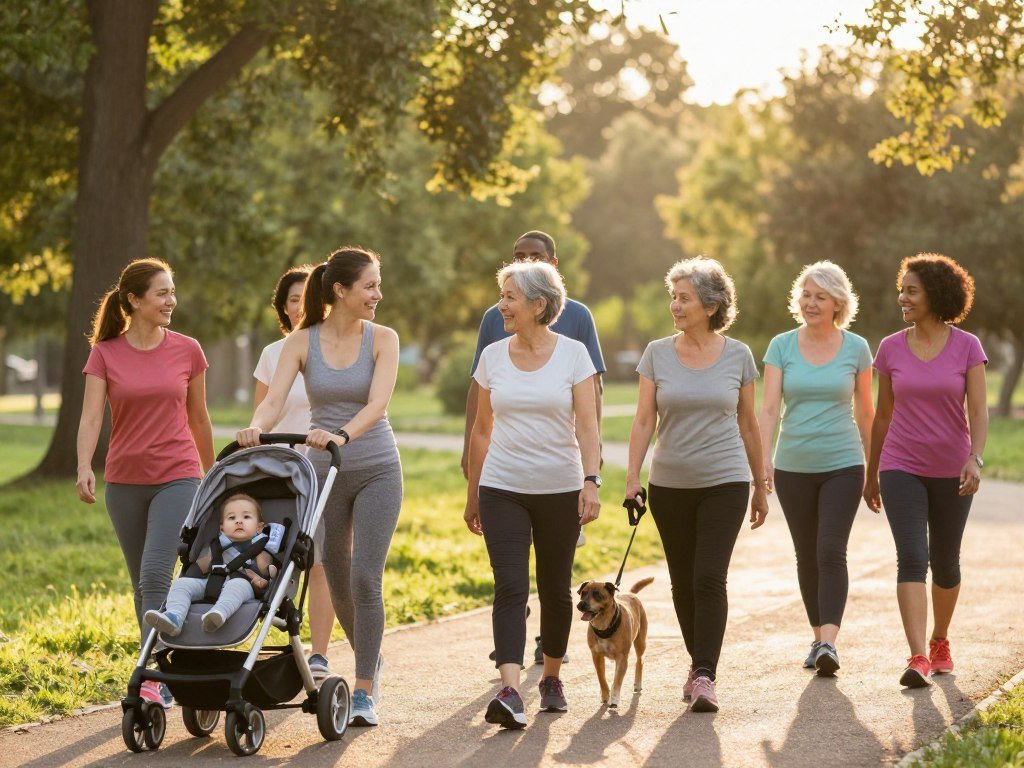
During pregnancy, staying active is often recommended to help manage energy levels and improve mood. Walking provides a low-impact way to maintain cardiovascular health without putting unnecessary strain on your joints. It is essential to listen to your body and adjust your pace as your center of gravity shifts.
After the arrival of your little one, postpartum recovery requires patience and grace. Gentle, consistent walks can help you regain your strength and provide a much-needed mental break. Prioritizing women’s fitness during this time is about celebrating what your body can do rather than rushing to reach previous intensity levels.
“Movement is a medicine for creating change in a person’s physical, emotional, and mental states.”
Staying Active Through Menopause and Beyond
As you navigate the hormonal shifts of menopause, regular physical activity becomes even more vital for long-term wellness. Walking helps maintain bone density and supports a healthy metabolism during this transition. By keeping your heart rate up, you are investing in your future health and vitality.
Consistency is the key to success in this chapter of life. Whether you are walking through a local park or around your neighborhood, the goal is to keep moving to support your women’s fitness goals. Remember that every step you take contributes to your overall strength, balance, and confidence as you move forward.
Advanced Walking Techniques to Boost Intensity
Once you have mastered the basics, it is time to challenge your body with more advanced walking techniques. Adding variety to your movement helps prevent plateaus and keeps your fitness journey exciting. Integrating these methods into your female workout routine ensures that you continue to see progress in your cardiovascular health and overall strength.
Incorporating Power Walking and Speed Intervals
Power walking is a fantastic way to elevate your heart rate without the high impact of running. By focusing on a faster pace and using an active arm swing, you engage more muscle groups throughout your upper and lower body. Consistency is key when you start to increase your speed.
You can also try speed intervals to maximize your effort. Alternate between two minutes of brisk, high-intensity walking and three minutes of a moderate recovery pace. This approach is a highly effective addition to any female workout routine because it improves your stamina and burns more calories in a shorter amount of time.
Utilizing Hills and Inclines for Muscle Engagement
Walking on flat surfaces is great, but adding elevation changes provides a significant boost to your training. When you tackle hills or stairs, your body must work harder against gravity, which naturally increases your calorie burn and builds lower body strength.
Consider these benefits of incorporating inclines into your walks:
- Increased Glute Activation: Walking uphill forces your posterior chain to engage more deeply.
- Improved Bone Density: The added resistance helps strengthen bones in your legs and hips.
- Enhanced Cardiovascular Capacity: Your heart and lungs work harder to pump oxygen during the climb.
- Better Posture: Maintaining an upright position while walking uphill helps strengthen your core muscles.
Start by finding a gentle slope in your neighborhood or using the incline setting on a treadmill. Focus on taking shorter, controlled steps as you ascend to maintain your balance. Listen to your body and gradually increase the steepness as your fitness level improves over time.
Social Walking and Community Building
Stepping out with a group or a companion turns a simple exercise into a meaningful social connection. While walking is often viewed as a solitary pursuit, inviting others into your routine can transform your fitness journey. Shared movement creates a unique bond that makes every mile feel shorter and more enjoyable.
Finding Local Walking Groups and Clubs
If you are looking to expand your social circle while staying active, joining a local walking group is an excellent strategy. Many communities host clubs that meet at public parks, community centers, or local trails on a weekly basis. These groups offer a welcoming environment for people of all fitness levels.
You can easily find these opportunities by checking community bulletin boards or using online platforms like Meetup. Many local running stores also sponsor walking-specific events that cater to those who prefer a steady pace. Engaging with these organizations provides the accountability and support needed to stick with your long-term health goals.
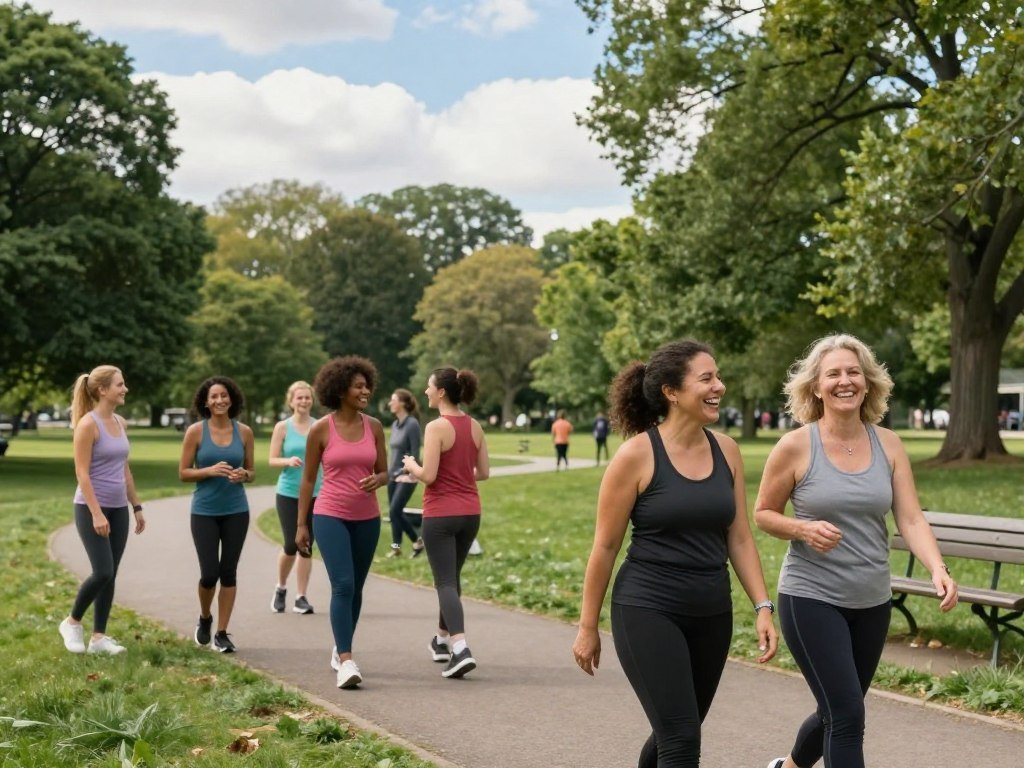
The Benefits of Walking with Friends and Family
Walking with friends and family turns exercise into a fun, bonding experience that you will look forward to every week. It removes the pressure of a formal workout and replaces it with meaningful conversation and laughter. When you have a scheduled date to walk with a loved one, you are much less likely to skip your session.
This social aspect acts as a powerful motivator, especially on days when your energy levels feel low. You provide each other with consistent encouragement, which helps maintain a sustainable habit over time. Whether it is a quick stroll through the neighborhood or a weekend hike, sharing the path with someone you care about is a proven way to boost your mood and overall well-being.
Integrating Walking into a Busy Lifestyle
Finding time for fitness often feels impossible when your calendar is packed with professional and personal obligations. However, you do not need a dedicated hour at the gym to reap the rewards of a consistent walking habit. Small, intentional adjustments can make a massive difference in your overall activity levels throughout the week.
Maximizing Your Commute and Lunch Breaks
Your daily commute offers a perfect window to sneak in extra movement before the workday begins. If you take public transit, consider getting off one stop early to walk the remaining distance to your office. Walking part of the way helps clear your mind and prepares you for the tasks ahead.
Do not overlook the potential of your lunch break for physical activity. Instead of sitting at your desk, use this time for a quick, refreshing stroll around the block or through a nearby park. This habit provides a vital mental reset while helping you reach your daily step goals.
Turning Errands into Opportunities for Movement
Everyday chores provide numerous chances to increase your heart rate without needing extra time in your schedule. One of the simplest strategies is to park farther away from store entrances whenever you run errands. These extra steps add up quickly over the course of a busy week.
You can also look for ways to stay active while waiting for appointments or completing household tasks. Taking the stairs instead of the elevator or pacing while on a phone call are excellent ways to keep your body moving. Consistency is the key to building a sustainable routine that fits seamlessly into your life.
Safety Tips for Women Walking Alone
Feeling empowered during your daily exercise routine starts with knowing how to stay safe while walking alone. Prioritizing your personal security is one of the most essential exercise tips for women, as it allows you to focus on your health without unnecessary worry. By taking a few simple precautions, you can transform your solo walks into a secure and enjoyable part of your day.

Choosing Well-Lit and Populated Routes
The environment you choose for your walk plays a significant role in your overall safety. Always stick to well-traveled streets where there is plenty of visibility and foot traffic. It is best to avoid shortcuts through dark alleys, wooded paths, or isolated areas, especially during the early morning or late evening hours.
If you prefer walking in the evening, try to select routes that are well-lit by street lamps. Staying in areas where others are present provides an extra layer of security. If you are unsure about a new path, consider driving or biking it during the day first to ensure it feels comfortable and safe.
Staying Aware of Your Surroundings and Digital Safety
Maintaining situational awareness is vital when you are out on your own. Avoid staring at your phone screen while you are moving, as this can distract you from potential hazards or changes in your environment. If you enjoy listening to music or podcasts, keep your headphone volume low so you can still hear ambient sounds like traffic or footsteps.
Consider these quick safety habits to keep in mind:
- Keep your phone fully charged before you head out.
- Share your planned route or expected return time with a friend or family member.
- Walk with confidence and keep your head up to stay alert.
- Trust your instincts; if a route feels wrong, turn around immediately.
By following these practical exercise tips for women, you can build a consistent routine that keeps you both fit and secure. Staying mindful of your surroundings ensures that your walking journey remains a positive and stress-free experience.
Nutrition and Hydration for Walkers
To truly unlock the health benefits of walking, you must consider what you put into your body. Proper nourishment acts as the fuel that powers your muscles and keeps your energy levels steady during your daily strolls.
When you treat your body with care, you will notice a significant improvement in your stamina and recovery time. Focusing on quality intake ensures that every step you take contributes to your long-term wellness goals.
Fueling Your Body for Longer Distances
For walks lasting longer than an hour, your body requires a steady supply of energy to maintain performance. Eating a balanced snack about thirty minutes before you head out can prevent that mid-walk slump. Focusing on complex carbohydrates and a small amount of protein is the best way to sustain your energy.
After your walk, your muscles need replenishment to repair and grow stronger. Consider these healthy, portable snack options to keep in your bag:
- A handful of raw almonds or walnuts for healthy fats.
- A crisp apple or banana for quick, natural energy.
- Greek yogurt with a sprinkle of berries.
- Whole-grain crackers with a small amount of hummus.
The Importance of Electrolytes and Water Intake
Hydration is the cornerstone of physical endurance. Even mild dehydration can lead to fatigue, headaches, and muscle cramps, which detract from the health benefits of walking. You should aim to drink water consistently throughout the day, rather than waiting until you feel thirsty.
If you are walking in hot weather or for extended periods, plain water might not be enough. Replacing lost electrolytes helps your body maintain fluid balance and nerve function. The following table provides a simple guide to help you stay prepared during your exercise sessions.
| Activity Duration | Hydration Strategy | Fueling Tip |
|---|---|---|
| Under 45 Minutes | Drink 8oz before starting | Not required |
| 45 to 90 Minutes | Sip water every 20 minutes | Small piece of fruit |
| Over 90 Minutes | Water with electrolytes | Protein and carb snack |
By planning your intake, you ensure that your body functions at its peak. Proper hydration and nutrition are essential components that amplify the health benefits of walking for women at any fitness level.
Common Mistakes to Avoid When Starting Out
Walking is a fantastic way to improve your health, provided you avoid the mistakes that often derail beginners. When you launch a new weight loss walking program, it is easy to feel motivated and want to push your limits immediately. However, taking a measured approach is the secret to staying consistent and injury-free.
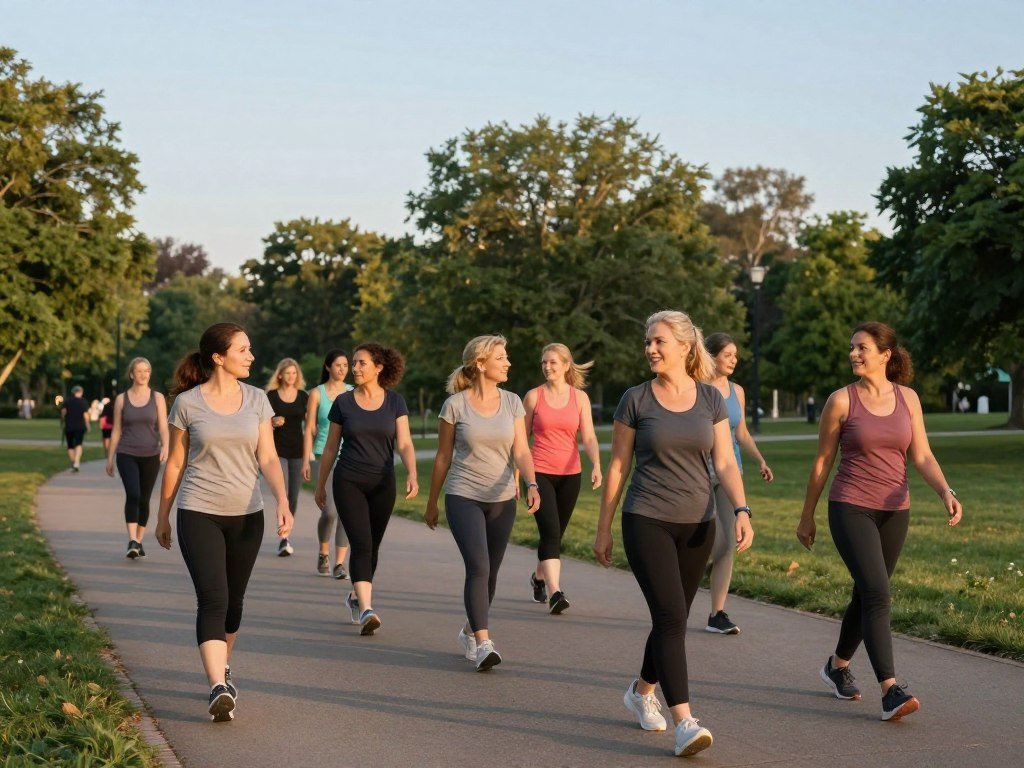
Preventing Overuse Injuries and Blisters
One of the most frequent issues for those new to fitness is the development of painful blisters or repetitive strain injuries. These problems often arise from wearing improper footwear or increasing mileage too quickly. Always prioritize comfort by choosing shoes specifically designed for walking that offer excellent arch support.
To keep your feet healthy and your body feeling strong, follow these simple guidelines:
- Gradually increase your distance by no more than 10% each week.
- Ensure your socks are moisture-wicking to prevent friction and blisters.
- Listen to your body; if you feel sharp or persistent pain, stop immediately.
- Consult with your health care team if discomfort continues after resting.
Avoiding Overtraining and Burnout
Many people believe that more movement always equals better results, but this is a common trap for walking for beginners. Overtraining can lead to physical exhaustion and mental fatigue, which often causes people to quit their routine entirely. True progress is built on consistency rather than intensity.
Instead of trying to walk for hours every single day, focus on building a sustainable habit that fits your lifestyle. Incorporate rest days into your schedule to allow your muscles to recover and repair. By pacing yourself, you ensure that your weight loss walking program remains an enjoyable part of your life rather than a chore.
Remember that your fitness journey is a marathon, not a sprint. By avoiding these common pitfalls, you set yourself up for long-term success and a healthier, more active future.
The Role of Technology in Your Walking Journey
Technology serves as a powerful partner in your journey toward better health and fitness. By integrating digital tools into your routine, you can turn simple steps into a structured form of cardio for women that yields measurable results. These innovations help you stay accountable while making every session feel more engaging.
Using Fitness Trackers and Mobile Applications
Modern fitness trackers and smartphone apps provide instant feedback on your physical activity. Tools like the Active 10 app are excellent for tracking your progress and ensuring you hit your daily movement targets. By monitoring your speed, distance, and heart rate, you gain a clearer picture of how your cardio for women routine impacts your overall wellness.
These applications often include features that allow you to set personal milestones. Celebrating these small wins keeps your motivation high throughout the week. Consistency becomes much easier when you can visualize your improvements over time through easy-to-read charts and data logs.
Leveraging Podcasts and Audiobooks to Stay Motivated
Walking does not have to be a silent or solitary activity. Many women find that listening to podcasts or audiobooks makes the time fly by during longer sessions. This mental stimulation acts as a great distraction, allowing you to push through fatigue while focusing on your cardio for women goals.
Whether you prefer educational content, gripping mysteries, or uplifting stories, audio media keeps your mind occupied. This habit often turns a standard walk into a highlight of your day. You will likely find yourself looking forward to your next stroll just to catch up on your favorite series.
| Tool Type | Primary Benefit | Best For |
|---|---|---|
| Fitness Trackers | Real-time metrics | Tracking intensity |
| Mobile Apps | Goal setting | Long-term progress |
| Audiobooks | Mental engagement | Extended walks |
| Podcasts | Entertainment | Daily motivation |
Conclusion
Walking stands out as a simple yet transformative exercise that offers immense benefits for your physical and mental health. You hold the power to improve your life by choosing to move your body every single day.
Start small to build a habit that lasts a lifetime. Consistency matters more than speed or distance when you begin your journey toward better health. Prioritize your safety and comfort by choosing supportive gear from brands like Brooks or Hoka to protect your joints.
Make walking a permanent part of your lifestyle by finding joy in the movement itself. Every step you take contributes to a stronger, more vibrant version of yourself. You possess the tools and the knowledge to prioritize your well-being starting right now.
Share your progress with friends or join a local community to keep your motivation high. Your commitment to daily movement creates a ripple effect of positive change in your life. Lace up your sneakers and embrace the road ahead with confidence.