
How to Build a Balanced Plate Without Counting Calories

Did you know that nearly 90% of people who track every morsel of food eventually abandon their efforts due to mental burnout? The constant pressure of logging numbers often turns eating into a chore rather than a source of nourishment.
Learning how to build a balanced plate without counting calories allows you to reclaim your freedom in the kitchen. By shifting your focus toward food quality and internal hunger signals, you can create a sustainable lifestyle that lasts.
This approach fosters a healthier relationship with your meals while helping you reach your wellness goals. You will discover that eating for vitality is far more effective than obsessing over rigid data points.
Key Takeaways
- Prioritize whole, nutrient-dense foods over processed alternatives.
- Listen to your body’s natural hunger and fullness cues.
- Focus on the quality of ingredients rather than strict math.
- Create sustainable habits that support long-term wellness.
- Enjoy a diverse diet that satisfies both body and mind.
The Philosophy of Intuitive Nutrition
True wellness begins when you stop viewing food as a math problem and start seeing it as fuel. By shifting your focus toward how different foods affect your energy and mood, you can discover healthy eating tips that actually last. This approach prioritizes your long-term vitality over temporary restrictions.
Moving Beyond the Calorie Trap
Traditional dieting often relies on the idea that all calories are created equal. However, this perspective ignores the complex hormonal responses triggered by the specific nutrients you consume. Relying solely on numbers can lead to a frustrating cycle where you feel hungry despite meeting your daily targets.
When you practice nutrition without calorie counting, you allow your body to regulate itself naturally. Your metabolism responds differently to fiber-rich vegetables and lean proteins than it does to processed snacks. Focusing on food quality helps you break free from the restrictive mindset that often leads to burnout.
Understanding Your Body’s Hunger Signals
Learning to listen to your internal cues is a vital skill for sustainable health. Your body sends clear signals when it needs energy and when it has had enough. By honoring these sensations, you can make healthy eating tips a natural part of your daily routine rather than a chore.
Research highlights how simple, high-quality choices can influence your appetite throughout the day. For example, choosing eggs for breakfast instead of a bagel can significantly reduce your subsequent calorie intake. This happens because protein-rich foods provide lasting satiety, helping you stay satisfied without needing to track every bite.
Mastering the Visual Plate Method
Visualizing your meal proportions is a powerful way to practice nutrition without calorie counting. By using your eyes instead of a scale, you gain freedom from rigid tracking apps. A simple trick involves using smaller dinner plates, which can naturally trick your brain into feeling satisfied with smaller, more appropriate portions.

The Half-Plate Vegetable Rule
The foundation of this approach is filling half of your plate with colorful, non-starchy vegetables. These foods are high in volume but low in energy density, making them essential for effective portion control strategies. By prioritizing greens, peppers, or roasted broccoli, you increase your fiber intake while keeping your meal light and satisfying.
Allocating Space for Lean Proteins
Once your vegetables are set, dedicate one-quarter of your plate to a high-quality protein source. Lean proteins like grilled chicken, tofu, or white fish are vital for maintaining muscle mass and keeping you full for hours. Consistency in this area helps stabilize your blood sugar throughout the day.
Choosing Complex Carbohydrates Wisely
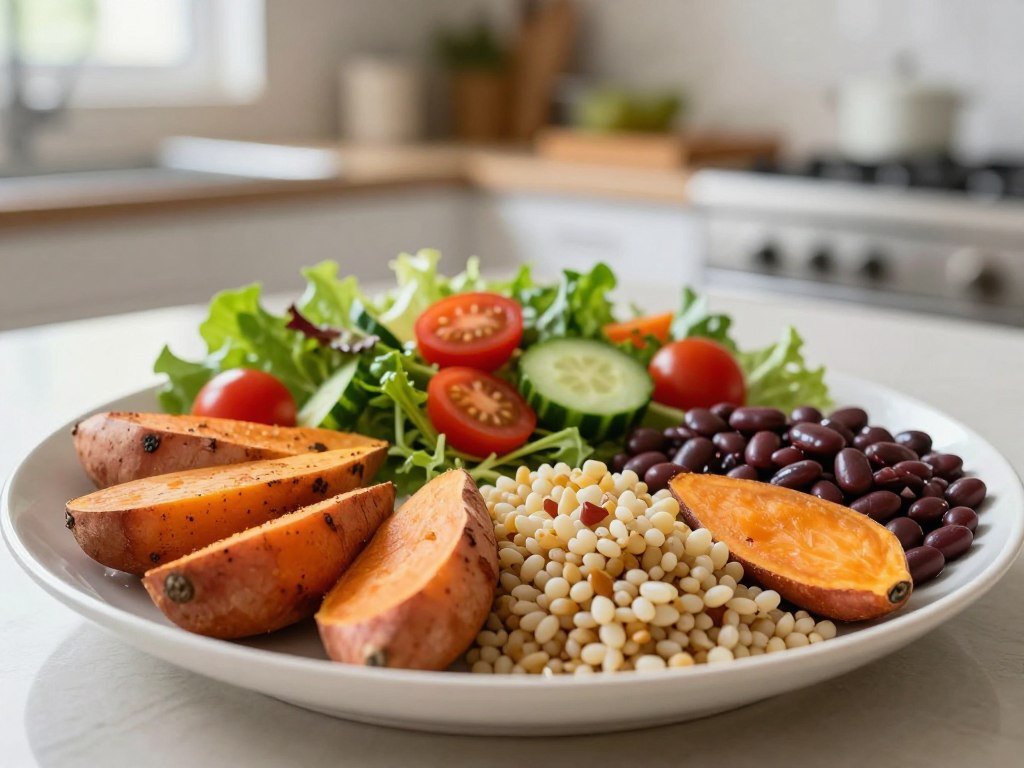
The final quarter of your plate is reserved for complex carbohydrates that provide steady energy. Opting for whole grains like quinoa, brown rice, or sweet potatoes ensures you get sustained fuel rather than a quick sugar spike. This balanced approach makes nutrition without calorie counting a sustainable lifestyle choice rather than a temporary fix.
| Component | Proportion | Primary Benefit |
|---|---|---|
| Vegetables | 50% | Fiber & Volume |
| Lean Protein | 25% | Satiety & Muscle |
| Complex Carbs | 25% | Sustained Energy |
Implementing these portion control strategies allows you to enjoy your meals without the stress of measuring every gram. By focusing on the visual balance of your plate, you can build healthy habits that last a lifetime.
How to Build a Balanced Plate Without Counting Calories
Learning how to build a balanced plate without counting calories is a liberating shift for your health journey. Instead of focusing on rigid math, you can rely on simple visual cues to ensure your body receives the fuel it needs. This approach fosters a sustainable relationship with food that lasts a lifetime.
The Power of Plate Proportions
The foundation of this method relies on the synergy of macronutrients. By dividing your plate into specific sections, you naturally balance your intake of proteins, fats, and carbohydrates. This visual structure helps you maintain steady energy levels throughout the day without the stress of tracking.
When you fill half your plate with colorful vegetables, you provide your body with essential fiber and micronutrients. The remaining space is then split between high-quality proteins and complex carbohydrates. This simple division ensures that every meal is nutritionally complete and satisfying.
Why Quality Trumps Quantity
Focusing on the source of your food is far more impactful than obsessing over the total number of calories. When you choose whole, unprocessed ingredients, your body processes them more efficiently. High-quality foods provide sustained satiety, which naturally regulates your appetite.
Empty calories often leave you feeling hungry shortly after eating. In contrast, nutrient-dense meals keep your blood sugar stable and your cravings at bay. Prioritizing quality allows you to trust your body’s internal signals rather than relying on external data.
Adjusting for Activity Levels and Goals
Your nutritional needs are not static, and your plate should reflect your daily movement. If you have a highly active day, you might increase your portion of complex carbohydrates to replenish your glycogen stores. On rest days, you can lean more heavily into vegetables and healthy fats.
Personalization is key to long-term success. You can easily modify your portions based on your specific fitness goals without ever needing a scale. By listening to your body, you learn to adjust your intake to match your energy output, making this a truly flexible way to eat.
Selecting Nutrient-Dense Whole Foods
A vibrant, healthy life begins with the simple act of choosing nutrient-dense whole foods. When you focus on ingredients that provide maximum nourishment, you are creating a healthy diet that supports your body’s natural needs. These foods offer the vitamins and minerals required to keep you feeling your best throughout the day.

Identifying High-Volume, Low-Calorie Vegetables
One of the most effective strategies for weight management is filling your plate with high-volume, low-calorie vegetables. These plants allow you to eat larger portions while keeping your overall energy intake in check. Leafy greens, cucumbers, and bell peppers are excellent examples of foods that provide significant bulk without excess calories.
By prioritizing these vegetables, you naturally crowd out less nutritious options. This approach makes creating a healthy diet feel effortless rather than restrictive. You will find that your hunger is satisfied more easily when your plate is filled with these colorful, fiber-rich choices.
The Role of Healthy Fats in Satiety
While vegetables provide volume, healthy fats are essential for long-term satiety. Including sources like avocados, nuts, and olive oil helps your body absorb fat-soluble vitamins. These fats also signal to your brain that you have consumed a satisfying meal, which prevents unnecessary snacking later.
Think of healthy fats as the finishing touch that adds flavor and longevity to your meals. A small amount goes a long way in keeping you full and focused. Balancing these fats with your vegetable intake is a key step in creating a healthy diet that lasts.
Incorporating Fiber for Digestive Health
Fiber is an unsung hero when it comes to maintaining a smooth digestive system. Whole foods such as legumes, berries, and cruciferous vegetables are packed with this vital nutrient. Fiber slows down digestion, which helps stabilize your blood sugar levels and prevents energy crashes.
Prioritizing high-fiber foods ensures that your gut microbiome remains healthy and active. When you make fiber a staple of your daily routine, you support your body’s ability to process nutrients efficiently. This simple habit is a cornerstone of creating a healthy diet that promotes lasting wellness.
The Importance of Protein for Sustained Energy
Building nutrient-dense meals starts with understanding the power of high-quality protein. This essential macronutrient acts as the building block for your body, supporting muscle repair and hormone regulation. By prioritizing protein, you can significantly boost your metabolism and keep hunger at bay for hours.
Plant-Based Protein Sources
You do not need meat to create satisfying, nutrient-dense meals that keep you full. Legumes like lentils and chickpeas offer a fantastic combination of protein and fiber. Tofu, tempeh, and edamame are also versatile options that absorb flavors well in stir-fries or salads.
Quinoa and hemp seeds serve as excellent plant-based additions to your plate. These ingredients provide essential amino acids while adding a pleasant texture to your favorite dishes. Experimenting with these sources can bring variety to your daily routine.
Animal-Based Protein Options
Animal proteins are often considered complete sources because they contain all the amino acids your body requires. Lean choices like chicken breast, turkey, and white fish are staples for those seeking nutrient-dense meals without excess saturated fat. Eggs and Greek yogurt also provide high-quality protein that is easy to prepare for breakfast or snacks.
Incorporating fatty fish like salmon provides the added benefit of omega-3 fatty acids. These healthy fats support heart health while ensuring you feel satisfied after eating. Choosing high-quality sources ensures your body gets the best fuel possible.
Determining Your Personal Protein Needs
Your specific protein requirements depend on your activity level, age, and overall health goals. Athletes or those with physically demanding jobs may need more protein to support muscle recovery. For most people, including a palm-sized portion of protein in each of their nutrient-dense meals is a great starting point.
Listen to your body to see how different amounts affect your energy levels throughout the day. If you find yourself feeling hungry shortly after a meal, you might benefit from slightly increasing your protein intake. Consistency is key when finding the balance that works best for your unique lifestyle.
Navigating Carbohydrates Without Fear
You do not need to fear carbohydrates to reach your health goals; you simply need to know how to select the best ones. Providing your body with the right fuel is a core principle of balanced nutrition guidance. When you understand how different types of carbs affect your system, you can stop counting calories and start focusing on quality.
Differentiating Between Refined and Complex Carbs
Refined carbohydrates, such as white bread, pastries, and sugary snacks, are processed to remove fiber and nutrients. These foods cause rapid spikes in blood sugar, which can lead to energy crashes later in the day. Choosing to limit these items is a simple way to stabilize your mood and energy levels.
In contrast, complex carbohydrates are packed with fiber and essential vitamins. They digest slowly, providing a steady stream of energy to your brain and muscles. By prioritizing these options, you follow balanced nutrition guidance that supports long-term health rather than short-term restriction.
The Benefits of Whole Grains and Legumes
Whole grains like quinoa, oats, and brown rice are excellent staples for any healthy kitchen. They offer sustained satiety, keeping you full and focused for hours. Legumes, including lentils and chickpeas, provide a powerful combination of plant-based protein and fiber.
“The secret to a healthy plate is not the absence of carbohydrates, but the presence of high-quality, fiber-rich whole foods that nourish the body from within.”
Incorporating these foods into your daily routine helps maintain digestive health and keeps your metabolism running efficiently. You will find that these nutrient-dense choices make it much easier to feel satisfied after every meal.
Timing Your Carbohydrate Intake
Many people find that reducing refined carb intake helps lower insulin levels and sheds excess water weight. This shift often leads to faster physical results without the need for strict portion control. Strategic timing can further enhance these benefits.
- Morning: Start with complex carbs to fuel your brain for the day ahead.
- Pre-Workout: Use moderate amounts of whole grains to provide immediate energy.
- Evening: Focus on high-volume vegetables to keep your digestion light before sleep.
By applying this balanced nutrition guidance, you can enjoy your meals without the stress of constant tracking. Listen to your body, choose whole foods, and enjoy the energy that comes from proper fueling.
Incorporating Healthy Fats for Brain and Body
When you focus on balanced nutrition guidance, you learn that fats are not the enemy. In fact, healthy fats are essential for brain function, heart health, and the efficient absorption of fat-soluble vitamins like A, D, E, and K. By choosing the right types, you provide your body with the fuel it needs to thrive.
Sources of Monounsaturated Fats
Monounsaturated fats are heart-healthy fats that help lower bad cholesterol levels. You can easily incorporate these into your daily meals by choosing high-quality plant sources. Extra virgin olive oil is a staple for cooking or dressing salads, while avocados provide a creamy texture that works well in sandwiches or smoothies.
Nuts and seeds are also excellent sources of these beneficial fats. Almonds, cashews, and macadamia nuts make for a quick, satisfying snack. Adding a handful to your morning oatmeal or yogurt is a simple way to boost your intake.
The Role of Omega-3 Fatty Acids
Omega-3 fatty acids are a specific type of polyunsaturated fat that your body cannot produce on its own. These fats are crucial for reducing inflammation and supporting cognitive health. Fatty fish like salmon, mackerel, and sardines are the most potent sources of these nutrients.
If you prefer plant-based options, you can still meet your needs through specific seeds and nuts. Flaxseeds, chia seeds, and walnuts are fantastic additions to your diet. Try sprinkling them over your morning bowl of fruit or blending them into a smoothie for a nutritional upgrade.
Mindful Portioning of Fats
Because fats are more calorie-dense than proteins or carbohydrates, it is important to practice moderation. Even the healthiest fats can contribute to weight gain if consumed in excess. Using balanced nutrition guidance helps you understand that a little goes a long way.
Try measuring your portions initially to get a better sense of what a serving looks like. A thumb-sized portion of nuts or a tablespoon of oil is often enough to provide the benefits without overdoing it. Listen to your body and focus on the quality of the fats you choose rather than just the quantity.
Mindful Eating Habits for Better Digestion
Transforming your relationship with food starts with the simple act of paying attention. By adopting mindful eating habits, you can significantly improve your digestive health while naturally reducing the risk of overeating. This approach encourages you to treat every meal as a dedicated experience rather than a rushed task.

The Practice of Slowing Down
Digestion is a complex process that begins the moment you start chewing. When you slow down, you allow your body to produce the necessary enzymes to break down food effectively. Taking your time ensures that you are not just swallowing food, but truly preparing it for your digestive system.
- Chew each bite thoroughly until the food reaches a consistent texture.
- Set your fork or spoon down between bites to create a natural pause.
- Take deep breaths to signal to your nervous system that it is time to rest and digest.
Recognizing Satiety Cues
Your brain requires about twenty minutes to receive the signal from your stomach that you are full. If you eat too quickly, you often bypass this internal alarm, leading to discomfort. Developing mindful eating habits helps you tune into these subtle physical sensations.
Pay close attention to how your hunger levels shift as you progress through your meal. You might notice a gradual decrease in the intensity of your cravings. Learning to stop when you feel comfortably satisfied rather than overly full is a key skill for long-term wellness.
Removing Distractions During Meals
Modern life is filled with constant noise, from scrolling through social media to watching television while you eat. These distractions prevent you from focusing on the sensory experience of your meal. When you remove these interruptions, you become more aware of the flavors, textures, and aromas of your food.
Creating a calm environment is essential for maintaining mindful eating habits. Try to sit at a table away from your computer or phone to fully engage with your meal. This simple change helps you appreciate your food more deeply and supports better digestion throughout the day.
Practical Meal Planning Strategies
Consistency in your diet often hinges on how well you prepare for the week ahead. By integrating balanced meal planning into your routine, you remove the guesswork that often leads to impulsive food choices. A little bit of organization goes a long way in keeping your nutrition goals on track.
Batch Cooking for Success
Batch cooking is a game-changer for those with limited time. Instead of cooking every single night, dedicate a few hours on the weekend to prepare large portions of grains, roasted vegetables, or proteins. This approach ensures that you always have nutritious components ready to assemble into a meal.
When you have pre-cooked ingredients in your refrigerator, you are far more likely to stick to your health goals. This method is a cornerstone of effective balanced meal planning, as it prevents the stress of starting from scratch after a long day.
Stocking a Balanced Pantry
A well-stocked pantry acts as your safety net during busy periods. Keep staples like canned beans, lentils, quinoa, brown rice, and nuts on hand at all times. These items provide a reliable base for quick, fiber-rich meals that support your digestive health.
Try to organize your shelves so that healthy options are visible and easy to reach. When your environment is set up for success, making the right choice becomes the path of least resistance. Having these essentials ready allows you to whip up a meal in minutes without needing a trip to the store.
Preparing for Busy Weeknights
When you are short on time, you can still build a high-quality plate using the hand-portioning method. Simply use your palm to measure your protein; one palm-sized portion is roughly 3 to 4 ounces. This simple trick makes balanced meal planning accessible even on your busiest evenings.
Pair your palm-sized protein with a handful of vegetables and a small portion of complex carbohydrates. This visual guide eliminates the need for scales or calorie trackers. It keeps your focus on the quality of your food rather than the numbers.
| Strategy | Primary Benefit | Time Investment |
|---|---|---|
| Batch Cooking | Ready-to-eat meals | High (Weekend) |
| Pantry Stocking | Emergency meal base | Low (Ongoing) |
| Hand Portioning | Quick assembly | Minimal (Daily) |
Adapting Your Plate for Dining Out
Navigating a restaurant menu does not have to feel like a test of your willpower. You can enjoy social gatherings and delicious food while still honoring your body’s needs. By applying a few simple portion control strategies, you can turn any dining experience into a balanced meal.

Making Smart Choices at Restaurants
Start by scanning the menu for items that feature lean proteins like grilled chicken, fish, or tofu. These options provide sustained energy without the heavy feeling that often follows fried or breaded dishes. Always look for vegetable-heavy sides to fill your plate with fiber and essential nutrients.
If a dish comes with a heavy sauce or dressing, ask for it on the side. This simple request gives you full control over how much you consume. You will find that most chefs are happy to accommodate these small adjustments to ensure you have a great meal.
Managing Portion Sizes Away from Home
Restaurant servings are often much larger than what we need for a single sitting. One of the most effective portion control strategies is to decide on your serving size before you even take the first bite. You might consider asking for a to-go box immediately to set aside half of your meal for later.
Sharing an entrée with a friend is another excellent way to manage your intake. This allows you to enjoy a variety of flavors without feeling overstuffed. Remember that you are in charge of your plate, regardless of how much food the kitchen serves.
Focusing on Ingredients Over Calories
Obsessing over hidden calories can quickly drain the joy out of a social outing. Instead, shift your focus toward the quality of the ingredients on your plate. Prioritize whole, unprocessed foods that make you feel vibrant and satisfied.
When you choose high-quality ingredients, your body naturally feels more nourished. This mindset helps you move away from restrictive thinking and toward a sustainable lifestyle. Use the following guide to make better choices during your next visit to a restaurant.
| Menu Category | Standard Choice | Balanced Alternative |
|---|---|---|
| Protein | Fried Chicken | Grilled Salmon |
| Side Dish | French Fries | Steamed Broccoli |
| Carbohydrate | White Pasta | Quinoa or Brown Rice |
| Condiments | Creamy Dressing | Olive Oil and Vinegar |
Overcoming Common Challenges in Healthy Eating
Life rarely follows a perfect script, and your nutrition journey is no exception. While you may strive for balance, external pressures and internal shifts often test your resolve. It is important to remember that consistency is far more valuable than perfection when building a sustainable lifestyle.
Your physical state also plays a significant role in how you handle these hurdles. For instance, poor sleep can disrupt your hunger hormones, specifically ghrelin and leptin. This hormonal imbalance often makes it much harder to resist cravings, even when you are committed to your healthy eating tips.
Dealing with Emotional Eating
Emotional eating often stems from a need for comfort rather than physical hunger. When you feel stressed or overwhelmed, your brain may seek quick energy sources to soothe those feelings. Developing mindful eating habits can help you pause and identify whether you are truly hungry or simply seeking an emotional release.
Try to create a buffer between the urge to eat and the act itself. Taking a few deep breaths or drinking a glass of water can provide the clarity needed to make a conscious choice. By acknowledging your emotions without judgment, you regain control over your food intake.
Handling Social Situations and Holidays
Social gatherings and holidays are meant to be enjoyed, not feared. You do not need to abandon your goals to participate in celebrations with friends and family. Focus on the social connection rather than the food, and allow yourself to enjoy special treats in moderation.
Prioritize protein and vegetables before heading to an event to keep your hunger levels stable. This simple strategy helps you approach the buffet with a clearer head. Remember that one meal will not derail your progress, so enjoy the moment and return to your routine the next day.
Staying Consistent Without Perfectionism
Many people fall into the trap of thinking that one “off” day ruins their entire effort. This all-or-nothing mindset is the biggest enemy of long-term success. Instead, view your nutrition as a flexible framework that adapts to your life’s changing demands.
If you miss a workout or overindulge, simply move forward with your next meal. Small, consistent actions create lasting change over time. By letting go of the need for perfection, you reduce stress and make your journey much more enjoyable.
| Challenge | Mindful Strategy | Expected Outcome |
|---|---|---|
| Emotional Cravings | Pause and breathe | Reduced impulsive eating |
| Social Pressure | Focus on connection | Lowered social anxiety |
| Poor Sleep | Prioritize rest | Balanced hunger hormones |
| Perfectionism | Embrace flexibility | Long-term consistency |
The Role of Hydration and Micronutrients
When you are creating a healthy diet, it is easy to focus solely on proteins, fats, and carbohydrates. However, your body requires much more than just these macronutrients to function at its peak. Hydration and micronutrients serve as the essential building blocks that keep your metabolism running smoothly.

Water Intake and Appetite Regulation
Water is perhaps the most underrated tool for managing your hunger levels throughout the day. Often, the brain confuses mild dehydration with feelings of hunger, leading to unnecessary snacking. By staying properly hydrated, you can better distinguish between true physical hunger and simple thirst.
Drinking a glass of water before a meal can also help you feel more satisfied with smaller portions. This simple habit supports your digestive system and ensures that your metabolic processes remain efficient. Staying hydrated is a cornerstone of creating a healthy diet that feels sustainable and natural.
The Importance of Colorful Produce
Micronutrients, which include vitamins and minerals, are found in abundance within colorful fruits and vegetables. Each color in produce represents a different set of phytonutrients that protect your cells and boost your immune system. Relying on a wide variety of colors ensures you receive a broad spectrum of these vital nutrients.
To maximize your intake, try to incorporate the following strategies into your daily routine:
- Eat the rainbow: Aim for at least three different colors on your plate at every main meal.
- Choose seasonal produce: Fresh, seasonal items often contain higher concentrations of vitamins.
- Prioritize whole foods: Whole fruits and vegetables provide fiber alongside essential minerals, which aids in nutrient absorption.
By focusing on these diverse food sources, you provide your body with the fuel it needs to thrive. Remember that creating a healthy diet is not about restriction, but about nourishing your system with the variety it craves.
Conclusion
True health stems from consistent habits rather than rigid restrictions. You possess the power to transform your relationship with food by shifting your focus toward long-term vitality.
Adopting balanced meal planning allows you to fuel your body with intention. This approach removes the mental burden of tracking every single calorie. You gain freedom when you prioritize nutrient-dense ingredients that support your unique lifestyle.
Start your journey by making small, manageable changes to your daily routine. Incorporating balanced meal planning helps you discover the joy of eating for energy and satisfaction. Your body will reward you with improved focus and steady stamina throughout the day.
Take charge of your plate today to experience the benefits of mindful nourishment. Every meal serves as a fresh opportunity to practice these habits. You deserve a sustainable way of eating that celebrates health without the stress of perfectionism.