
Essential Nutrients Every Woman Should Know About Now.

Did you realize that nearly 75% of American adults suffer from at least one common vitamin deficiency? This staggering figure highlights a silent crisis affecting our daily energy levels and long-term wellness. Taking charge of your biology starts with understanding the specific compounds that fuel your body.
These vital elements act as the primary building blocks for cellular function and sustained vitality. By identifying which substances your system craves, you can make smarter choices to prevent fatigue and support your immune health. This guide serves as your roadmap to mastering the intake required for a thriving life.
Key Takeaways
- Understand the role of vitamins in cellular repair.
- Identify common gaps in your daily diet.
- Learn how to boost energy through targeted intake.
- Discover the link between minerals and long-term health.
- Make informed decisions to prevent future deficiencies.
Understanding the Unique Nutritional Landscape for Women
Achieving optimal women’s health starts with recognizing that one size does not fit all in nutrition. Your body is a complex system that demands specific nutrients to function at its best during every phase of life. Understanding these needs is the first step toward long-term vitality.
Research shows that approximately 90% of adults fail to consume the recommended five cups of fruits and vegetables daily. This creates a significant nutritional gap that can impact your energy levels and long-term wellness. When you miss these targets, your body may struggle to maintain the balance required for hormonal health and cellular repair.
Metabolism and hormonal shifts play a major role in how your body processes vitamins and minerals. Because of these biological differences, a tailored approach to your daily eating habits is essential. By prioritizing nutrient-dense foods, you can effectively mitigate the risk of chronic diseases and support your women’s health goals.
The following table highlights how specific nutritional priorities shift as you move through different life stages:
| Life Stage | Primary Focus | Key Nutrient Goal |
|---|---|---|
| Young Adulthood | Energy & Iron | High Iron & Folate |
| Mid-Life | Bone Density | Calcium & Vitamin D |
| Post-Menopause | Heart & Bone | Magnesium & B12 |
Consistency is key when it comes to filling these nutritional gaps. Small, intentional changes to your plate can lead to significant improvements in how you feel every day. Focusing on whole foods ensures that you provide your body with the building blocks it needs to thrive.
The Role of Iron in Sustaining Energy and Cognitive Function
Iron is much more than a simple mineral; it is the fuel that keeps your cells thriving and your mind alert. This essential element acts as a critical component of red blood cells, facilitating the vital transfer of oxygen from your lungs to every tissue in your body. When your levels are balanced, you experience sustained energy and sharp mental focus throughout the day.
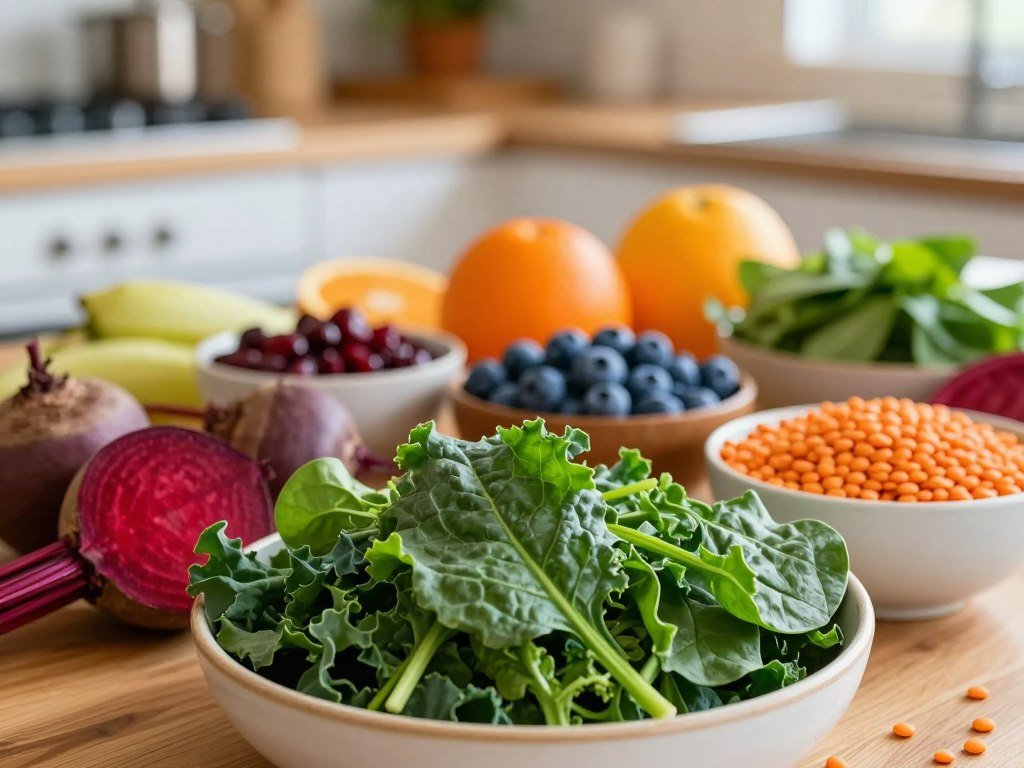
Because iron is necessary for physical growth, neurological development, and cellular functioning, even minor dips can lead to noticeable fatigue. Prioritizing nutrient-rich foods is the most effective way to ensure your body has the resources it needs to perform at its peak.
Managing Iron Deficiency Anemia
Iron deficiency anemia occurs when your body lacks enough healthy red blood cells to carry oxygen effectively. Common signs include persistent exhaustion, pale skin, and difficulty concentrating on daily tasks. If you suspect your levels are low, it is important to consult a healthcare provider for a blood test to confirm your status.
“The preservation of health is a duty. Few seem conscious that there is such a thing as physical morality.”
Managing this condition often involves a combination of medical guidance and dietary adjustments. By identifying the root cause of your deficiency, you can create a sustainable plan to restore your vitality and protect your long-term cognitive health.
Plant-Based Sources of Iron
You do not need to rely solely on meat to maintain healthy iron levels. Many nutrient-rich foods derived from plants offer excellent sources of non-heme iron that can easily fit into your daily meals. Incorporating these options helps you maintain a balanced and diverse diet.
- Lentils and chickpeas for a hearty protein boost.
- Spinach and kale to provide essential minerals.
- Pumpkin seeds and quinoa for easy, versatile snacking.
To maximize your absorption of these plant-based sources, try pairing them with foods high in Vitamin C, such as bell peppers or citrus fruits. This simple strategy helps your body utilize iron more efficiently, ensuring you get the most out of your nutrient-rich foods every single day.
Calcium and Vitamin D: The Dynamic Duo for Bone Health
When it comes to skeletal health, calcium and vitamin D are the ultimate power couple. These vitamins for women work in perfect harmony to build and maintain the structural integrity of your bones. Without this essential partnership, your body struggles to maintain the density required for a healthy, active life.
Preventing Osteoporosis Through Early Intervention
Building a strong skeletal foundation is a process that continues well into your late 20s. Because we do not reach peak bone mass until this time, early intervention is absolutely critical for long-term wellness. Establishing healthy habits now helps prevent the onset of osteoporosis later in life.
For younger women, meeting specific daily targets is the best way to ensure future bone strength. Girls ages 9 to 18 require 1,300 milligrams of calcium and 600 international units of vitamin D every day. Consistently hitting these numbers provides the necessary building blocks for a resilient frame.
Optimizing Absorption with Lifestyle Choices
It is not enough to simply consume these nutrients; your body must be able to absorb them effectively. Vitamin D acts as a key facilitator, signaling your intestines to pull calcium into the bloodstream. Without adequate vitamin D, even a high-calcium diet may not provide the protection you need.
You can optimize your absorption by combining these vitamins for women with smart lifestyle habits. Spending time in natural sunlight helps your body synthesize vitamin D, while regular weight-bearing exercise encourages bone remodeling. By integrating these practices into your daily routine, you create an environment where your bones can thrive for decades to come.
Folate and Folic Acid: Beyond Pregnancy Support
Folate serves as a silent hero in your body, working tirelessly to keep your systems running smoothly. While many associate this nutrient primarily with prenatal care, it is actually a fundamental pillar of female nutrition for women at every stage of life.
This essential B-vitamin works in close coordination with vitamin B12 to ensure the healthy production of red blood cells within the bone marrow. Without adequate levels, your body may struggle to maintain the energy and vitality you need for your daily routine.

Cellular Repair and DNA Synthesis
At the microscopic level, folate acts as a master builder for your genetic material. It is absolutely critical for DNA synthesis and the ongoing repair of damaged cells throughout your body.
“The preservation of health is easier than the cure of disease.”
By facilitating these complex biological processes, folate helps maintain the integrity of your tissues. This constant renewal is a cornerstone of long-term wellness and systemic health.
Dietary Sources for Daily Wellness
Incorporating the right foods into your diet is the most effective way to meet your needs. Focusing on nutrient-dense options ensures that your female nutrition plan remains balanced and sustainable.
You can easily boost your intake by adding these delicious, folate-rich foods to your meals:
- Lentils: A versatile legume that packs a significant nutritional punch.
- Spinach: This leafy green is an excellent source of folate and other vital minerals.
- Fortified Grains: Many cereals and breads are enriched to help you reach your daily goals.
- Asparagus: A flavorful vegetable that supports your overall cellular health.
Prioritizing these whole foods is a simple yet powerful step toward better female nutrition. By making these small adjustments, you provide your body with the tools it needs to thrive every single day.
Magnesium: The Mineral for Stress and Sleep
Magnesium is one of the most versatile minerals for women, acting as a silent guardian for your body’s daily functions. It plays a critical role in regulating muscle and nerve activity, which helps keep your physical movements smooth and your reflexes sharp. Furthermore, it is essential for maintaining steady blood sugar levels and healthy blood pressure, making it a foundational element of long-term wellness.
Impact on Hormonal Balance
Many women find that their stress levels and sleep quality are deeply connected to their magnesium status. When your body has enough of this nutrient, it can better manage the physiological response to stress, leading to a calmer nervous system. Quality sleep is often the first thing to improve when you prioritize this mineral, which in turn supports better hormonal balance throughout your monthly cycle.
By helping to regulate cortisol, the body’s primary stress hormone, magnesium acts as a natural buffer against the pressures of modern life. Consistent intake can lead to more stable moods and improved energy levels. As one of the most important minerals for women to monitor as they age, it serves as a powerful tool for maintaining vitality.
Natural Ways to Boost Magnesium Intake
You can easily increase your levels by incorporating nutrient-dense whole foods into your daily meals. Leafy greens like spinach and Swiss chard are excellent choices that provide a significant boost of magnesium. Additionally, snacking on nuts and seeds—such as almonds, pumpkin seeds, and cashews—is a simple way to ensure you are meeting your daily requirements.
Including these minerals for women in your diet does not have to be complicated or expensive. Try adding a handful of seeds to your morning yogurt or tossing extra greens into your dinner salad. These small, consistent changes can make a noticeable difference in how you feel, sleep, and handle the demands of your busy schedule.
Omega-3 Fatty Acids for Heart and Brain Longevity
Many women overlook the profound impact that essential fatty acids have on their daily vitality and long-term health. These fats are not just fuel; they are critical building blocks for your heart and brain. By helping to normalize and regulate cholesterol and triglyceride levels, they play a vital role in women’s wellness.

Anti-Inflammatory Benefits for Women
Chronic inflammation is often a silent contributor to many health challenges. Omega-3 fatty acids act as a natural shield, helping to lower systemic inflammation throughout the body. This protective effect is essential for maintaining cardiovascular health and supporting sharp cognitive function as you age.
“The inclusion of healthy fats in a balanced diet is one of the most effective ways to support long-term cardiovascular resilience.”
You can easily boost your intake by incorporating nutrient-dense foods into your weekly meal plan. Consider these excellent sources to support your women’s wellness journey:
- Wild-caught salmon for high levels of EPA and DHA.
- Walnuts, which provide a convenient plant-based boost.
- Chia seeds, perfect for adding to smoothies or morning oats.
Choosing High-Quality Supplements
Sometimes, dietary intake alone may not be enough to meet your body’s specific needs. When choosing a supplement, prioritize brands that provide third-party testing for purity and potency. This ensures you are avoiding heavy metals and getting the high-quality oils necessary for optimal women’s wellness.
Look for labels that specify the concentration of EPA and DHA, as these are the active forms your body uses most efficiently. Always consult with a healthcare provider to determine the right dosage for your unique health profile and lifestyle goals.
Vitamin B12 and the Importance of Energy Metabolism
Maintaining optimal energy levels often comes down to one essential nutrient: Vitamin B12. This powerhouse nutrient is crucial for maintaining healthy blood and nerve cells while assisting in the production of DNA. As we age, our ability to absorb this nutrient naturally declines, making it one of the most important vitamins for women to monitor throughout their lives.
Certain medications can further interfere with how your body processes this nutrient. Staying proactive about your levels ensures that your metabolic engine keeps running smoothly. When your body lacks sufficient B12, the impact on your daily vitality can be significant.
“The body is a complex machine, and B12 is the spark plug that keeps the energy flowing through your nervous system.”
Identifying Signs of Deficiency
Recognizing the early warning signs of a deficiency is vital for your long-term wellness. Common symptoms often include persistent fatigue, weakness, and a feeling of lightheadedness. You might also notice tingling or numbness in your hands and feet, which indicates that your nerves are not receiving the support they need.
Cognitive changes, such as difficulty concentrating or “brain fog,” are also frequent indicators. Because these symptoms can mimic other health issues, it is essential to consult with a healthcare provider for proper blood testing. Catching a deficiency early allows for simple, effective interventions that restore your energy levels quickly.
Why Vegetarians and Vegans Need Extra Care
Vitamin B12 is primarily found in animal-based foods like meat, fish, eggs, and dairy. Consequently, those following plant-based diets face a higher risk of deficiency. If you do not consume animal products, you must be intentional about your intake to avoid long-term health complications.
Many experts recommend that vegetarians and vegans incorporate fortified foods or high-quality supplements into their daily routines. Relying solely on plant sources without fortification is rarely enough to meet your body’s needs. By prioritizing these specific vitamins for women, you can maintain your health while honoring your dietary choices.
The Essential Nutrients Every Woman Should Know About for Skin Health
Achieving a radiant complexion often starts with the nutrients you choose to fuel your body every single day. While topical products play a role, true skin vitality is built from the inside out. By prioritizing essential vitamins for women, you provide your body with the building blocks necessary to maintain structural integrity and a youthful appearance through every decade of life.

Vitamin C and Collagen Production
Vitamin C is perhaps the most critical nutrient for maintaining skin firmness. It acts as a vital cofactor in the synthesis of collagen, the primary protein responsible for skin elasticity and strength. As we age, natural collagen production slows down, making it essential to consume enough of this nutrient to support your skin’s natural repair processes.
Beyond structural support, vitamin C helps brighten the complexion and aids in healing. You can easily boost your intake by incorporating these foods into your daily meals:
- Bell peppers and citrus fruits
- Strawberries and kiwi
- Dark leafy greens like kale
Vitamin E as a Protective Antioxidant
While vitamin C builds, vitamin E acts as a shield. This powerful antioxidant protects your skin cells from oxidative stress caused by environmental factors like pollution and UV exposure. By neutralizing free radicals, vitamin E helps prevent premature aging and keeps the skin barrier resilient.
Integrating these essential vitamins for women into your routine is a simple yet effective strategy for long-term skin health. Whether through a balanced diet or targeted supplementation, supporting your skin from within ensures that you look and feel your best. Remember that consistency is the key to seeing lasting improvements in your skin’s texture and tone.
Zinc: Supporting Immune Function and Hormonal Health
When discussing essential minerals for women, zinc stands out as a true powerhouse for overall health. This trace element acts as a catalyst for hundreds of enzymatic reactions within the body. It is crucial for maintaining a robust immune system and ensuring that your body functions at its peak every single day.
Zinc for Reproductive Wellness
Zinc plays a foundational role in reproductive health by supporting the synthesis of hormones like estrogen and progesterone. These hormones are vital for maintaining a healthy menstrual cycle and supporting fertility. Without adequate levels of this mineral, many women may experience imbalances that affect their energy and mood.
Beyond hormonal synthesis, zinc supports cellular division and repair. This makes it an essential nutrient for women at every stage of life. Ensuring you consume enough zinc can help stabilize your internal systems and promote long-term wellness.
Balancing Zinc with Other Minerals
While zinc is highly beneficial, it is important to maintain a proper balance with other minerals for women, particularly copper. High doses of zinc supplements can interfere with copper absorption, potentially leading to a deficiency over time. It is always best to prioritize whole food sources to achieve a natural, healthy equilibrium.
The following table highlights some of the best food sources to help you meet your daily requirements while maintaining a healthy mineral profile:
| Food Source | Primary Benefit | Mineral Density |
|---|---|---|
| Pumpkin Seeds | Hormonal Support | High |
| Chickpeas | Digestive Health | Moderate |
| Lentils | Energy Metabolism | Moderate |
| Cashews | Immune Function | High |
By incorporating these nutrient-dense foods into your diet, you provide your body with the tools it needs to thrive. Remember that consistency is key when managing your intake of minerals for women. Always listen to your body and consult with a healthcare professional if you are considering high-dose supplementation.
Potassium and Its Role in Blood Pressure Regulation
Incorporating potassium into your daily routine is a simple yet effective way to support long-term heart health. This essential mineral acts as a key electrolyte that helps your body maintain healthy blood pressure levels. By counteracting the negative effects of sodium, potassium ensures your cardiovascular system functions smoothly.
Many experts recommend the DASH diet, which stands for Dietary Approaches to Stop Hypertension. This eating plan focuses on nutrient-dense foods that naturally lower blood pressure. It is a highly effective strategy for meeting your women’s dietary needs while protecting your heart.

Managing Sodium Intake for Heart Health
High sodium intake is a common concern that can lead to elevated blood pressure. When you consume too much salt, your body retains extra water, which puts unnecessary strain on your blood vessels. Balancing this with adequate potassium intake helps your kidneys flush out excess sodium more efficiently.
You do not need to eliminate salt entirely to see results. Instead, focus on reducing processed foods and increasing your intake of fresh, whole ingredients. This simple shift helps you maintain a healthy mineral balance throughout the day.
Potassium-Rich Foods for Daily Meals
Adding more fruits, vegetables, and legumes to your plate is the best way to boost your potassium levels. These foods provide the necessary nutrients to support your women’s dietary needs while keeping your meals delicious and satisfying. Consistency is the secret to seeing long-term improvements in your cardiovascular health.
The following table highlights some of the best sources of potassium to include in your weekly meal planning:
| Food Item | Serving Size | Potassium Content |
|---|---|---|
| Sweet Potato | 1 medium | 540 mg |
| Spinach (Cooked) | 1/2 cup | 420 mg |
| Banana | 1 medium | 422 mg |
| White Beans | 1/2 cup | 595 mg |
Fiber: The Often Overlooked Nutrient for Digestive Wellness
Fiber is often the missing piece in the puzzle of daily digestive health. While many focus on vitamins and minerals, this essential nutrient plays a critical role in maintaining a healthy gut and supporting overall women’s wellness. For women between the ages of 19 and 30, the recommended daily intake is 28 grams to ensure optimal bodily function.
Unfortunately, many people fall short of this target, which can lead to unwanted digestive discomfort. By prioritizing fiber, you are not just helping your digestion; you are also investing in your long-term heart health and metabolic stability. Small changes in your daily habits can lead to significant improvements in how you feel every single day.
Soluble vs. Insoluble Fiber Benefits
Understanding the two main types of fiber is key to mastering your nutrition. Soluble fiber dissolves in water to form a gel-like substance, which helps lower cholesterol and glucose levels. This type of fiber is a fantastic ally for women’s wellness as it keeps you feeling full longer.
Insoluble fiber, on the other hand, does not dissolve and adds bulk to your stool. It acts like a broom, helping food move through your digestive system more efficiently. Both types are necessary for a balanced diet, and you can find them in a variety of delicious, whole-food sources.
Strategies for Increasing Fiber Intake Safely
If you are currently not meeting your daily goals, it is important to increase your intake gradually. Adding too much fiber too quickly can cause bloating or gas, so give your body time to adjust. Hydration is essential during this process, as water helps fiber move smoothly through your system.
Here are a few simple ways to boost your fiber intake while supporting your women’s wellness journey:
- Start your morning with high-fiber cereals or oatmeal topped with fresh berries.
- Swap refined white grains for whole-grain alternatives like quinoa, brown rice, or whole-wheat pasta.
- Incorporate legumes such as lentils, chickpeas, and black beans into your salads or soups.
- Keep the skin on your fruits and vegetables whenever possible, as this is where much of the fiber resides.
- Snack on raw nuts and seeds to add a quick fiber boost to your afternoon.
By making these consistent, gentle adjustments, you will find it much easier to reach that 28-gram goal. Remember that consistency is the secret ingredient to lasting health and digestive comfort.
Navigating Supplements Versus Whole Food Sources
While the supplement aisle is packed with options, your kitchen remains the best place to find the essential nutrients every woman should know about. Whole foods provide a complex matrix of vitamins, minerals, and fiber that work in harmony to support your body. Relying on a balanced diet is the gold standard for achieving long-term health and vitality.

When to Consider Multivitamins
Sometimes, life gets busy, and meeting every nutritional requirement through meals alone becomes difficult. You might consider a supplement if you have specific dietary restrictions, such as following a strict vegan lifestyle. Additionally, certain life stages like pregnancy or recovery from illness may require extra support to ensure you receive enough essential vitamins for women.
It is important to view these products as a safety net rather than a replacement for real food. Before starting any new regimen, consult with a healthcare provider to identify potential gaps in your current intake. This ensures you are not over-supplementing while missing out on the benefits of a diverse diet.
Bioavailability and Nutrient Synergy
The concept of nutrient synergy explains why food is often superior to isolated pills. In nature, nutrients exist alongside co-factors that help your body absorb and utilize them effectively. For example, the healthy fats found in an avocado help your body absorb fat-soluble vitamins from your salad greens.
Synthetic supplements often lack these natural companions, which can lower their bioavailability. When you eat a whole orange, you get vitamin C along with fiber and phytonutrients that work together to boost your immune system. Choosing whole foods ensures that your body receives these nutrients in their most effective and usable form.
| Feature | Whole Foods | Supplements |
|---|---|---|
| Nutrient Synergy | High (Natural balance) | Low (Isolated) |
| Bioavailability | Optimal | Variable |
| Fiber Content | Present | Absent |
| Primary Use | Daily Foundation | Targeted Support |
Adapting Nutritional Needs Across Different Life Stages
Understanding how your nutritional needs shift over time is a cornerstone of long-term wellness. Your body is a dynamic system that requires different fuel sources as you move through various decades of life. By staying proactive, you can better support women’s health and maintain your vitality at every age.
Nutrition During the Reproductive Years
During your twenties and thirties, your body often demands high levels of energy to support an active lifestyle and reproductive health. However, it is important to note that after age 25, a woman’s resting metabolism naturally begins to decrease. This shift means that your women’s dietary needs must become more focused on nutrient density rather than just total caloric intake.
Prioritizing whole foods like leafy greens, lean proteins, and complex carbohydrates helps keep your energy levels stable. Focusing on quality ensures that you are getting the essential vitamins and minerals necessary for cellular repair and hormonal balance. Small, consistent adjustments to your portion sizes can help you maintain a healthy weight without feeling deprived.
Adjusting for Perimenopause and Beyond
As you transition into perimenopause, your hormonal landscape changes significantly, which directly impacts how your body processes nutrients. During this phase, your metabolism may slow further, making it even more vital to emphasize fiber-rich foods and adequate protein. These choices help manage blood sugar levels and support muscle mass, which is essential for long-term women’s health.
Bone density and heart health also become primary concerns during these later stages. Increasing your intake of calcium, vitamin D, and omega-3 fatty acids can provide the protective support your body needs. Listening to your body’s signals is the most effective way to refine your women’s dietary needs as you navigate these natural transitions. By staying flexible and informed, you can continue to thrive and feel your best for years to come.
Common Nutritional Pitfalls and How to Avoid Them
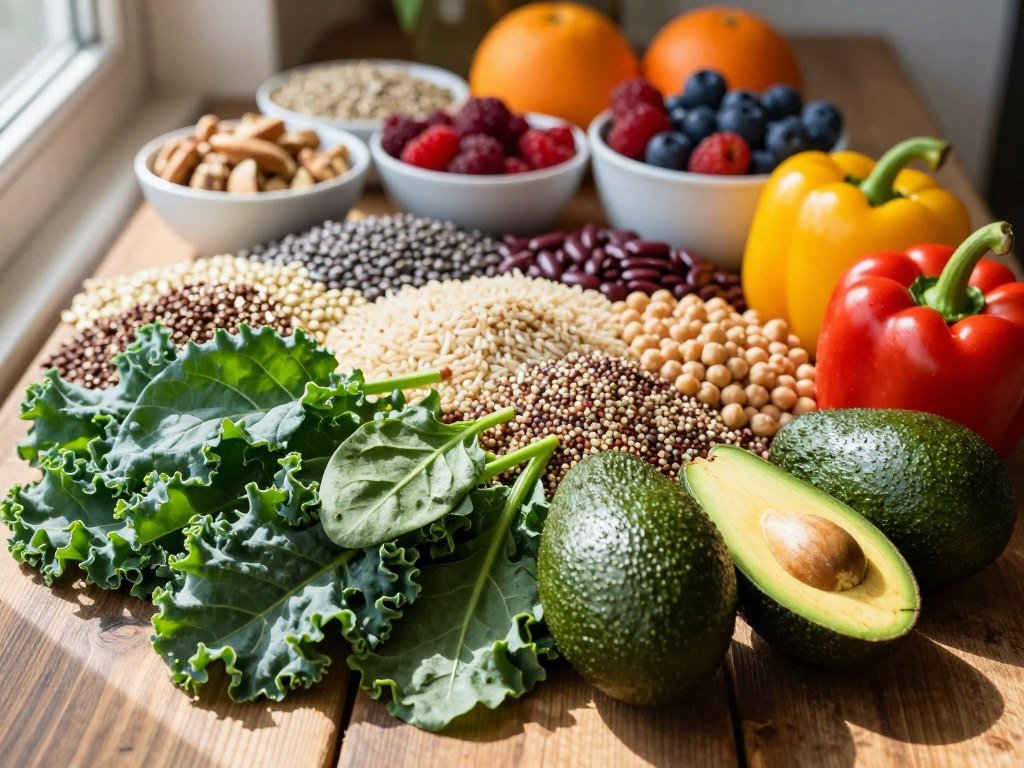
Your body deserves a sustainable approach to nutrition that prioritizes long-term vitality over temporary trends. Many people feel pressured to follow strict regimens, but these often lead to significant nutrient deficiencies. Instead, focusing on nutrient-rich foods is the most effective way to fuel your daily activities.
The Dangers of Restrictive Dieting
Restrictive dieting often creates a cycle of deprivation that is difficult to maintain. For example, many low-carb diets severely limit your intake of whole grains and legumes. This reduction can lead to a lack of essential fiber, which is crucial for digestive health.
When you cut out entire food groups, you also miss out on vital vitamins and minerals. These gaps can cause fatigue, mood swings, and weakened immunity over time. It is much better to choose a balanced plate filled with nutrient-rich foods rather than eliminating calories or macronutrients entirely.
Listening to Your Body’s Signals
Learning to trust your internal cues is a powerful tool for lasting health. Your body often communicates exactly what it needs if you take the time to listen. Consistent energy levels and stable moods are usually signs that you are fueling yourself correctly.
If you feel sluggish or constantly hungry, your body might be asking for more variety or specific vitamins. Prioritizing nutrient-rich foods allows you to satisfy these needs while maintaining a healthy weight. Remember that flexibility is key to a sustainable lifestyle, so avoid rigid rules that make eating feel like a chore.
Conclusion
Prioritizing your daily intake remains one of the most impactful steps you can take to support long-term health. By understanding the unique requirements of your body, you ensure that you meet your specific needs through high-quality, whole-food sources.
Focusing on female nutrition helps you build a strong foundation for vitality. Small, consistent changes in your diet create lasting benefits for your energy levels and mood. You possess the power to shape your future health outcomes through these intentional daily habits.
We hope this guide provides the clarity needed to make informed choices that enhance your daily life. Embracing a balanced approach to female nutrition is the key to feeling your best at every stage. Start your journey today by selecting one nutrient-dense food to add to your next meal.
Your body deserves the best fuel to thrive in a busy world. Share your progress with friends or family to build a supportive community focused on wellness. Staying mindful of your body’s signals will guide you toward a vibrant and healthy life.